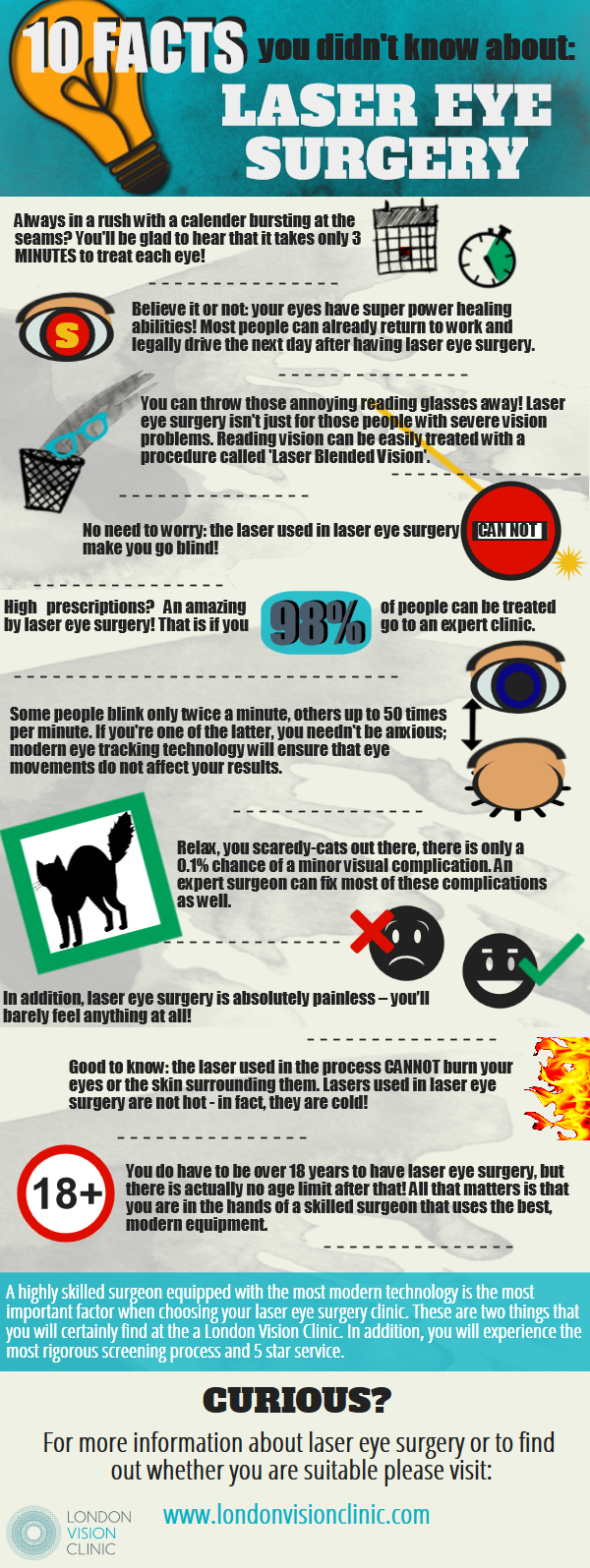
Lately, the EVO ICL has gained notice as a preferred vision correction option, notably for those who are less than ideal candidates for LASIK. This groundbreaking implantable collamer lens procedure offers a way to attain clearer vision free from the need for invasive corneal reshaping. If you're considering vision correction, understanding the EVO ICL journey is essential. Starting with the procedure itself and recovery and long-term results, this detailed guide will lead you through all you need to know about EVO ICL surgery.
While you examine your options for treating vision problems like myopia and astigmatism, you may be curious how EVO ICL compares to standard methods such as LASIK. While both procedures aim to sharpen eyesight, they distinguish themselves significantly in terms of technique, recovery, and most suitable candidate profiles. We will delve into the specifics of the EVO ICL procedure, covering concerns such as costs, potential side effects, and the timeline for recovery. By the end of this article, you will have a better understanding of whether EVO ICL is the right choice for your personal vision correction journey.
EVO ICL Procedure Overview
The EVO ICL treatment involves the placement of an implantable lens designed to enhance vision, particularly for individuals with nearsightedness or other vision issues. This lens is placed amidst the iris and the lens of the eye, providing a non-permanent alternative to traditional laser treatments like LASIK. The surgery is typically performed as an outpatient procedure, meaning individuals can head home the same day.
Prior to the surgery, a thorough evaluation is conducted to evaluate if an individual is a qualified candidate for EVO ICL. This includes extensive eye exams and evaluations of one's vision and overall eye health. The surgery itself usually takes around 15 to 30 minutes per eye, during which individuals are often given a gentle sedative and numbing drops to ensure comfort. The surgeon creates a small cut, allowing for the insertion of the lens without needing a significant incision in the eye.
Post-surgery, patients are usually able to see an uplift in vision almost right after, although full stabilization may take a few nights. Recovery typically includes check-up appointments to monitor healing and assess vision clarity. While most individuals experience substantial improvements, it's essential to understand the potential complications and to participate in open discussions with the surgeon about any issues leading up to the procedure.
Healing Timeline and Tips
Following the EVO ICL procedure, patients typically experience a quick recovery. Most individuals observe improved vision in the initial few hours after the procedure, but complete settling can take several days. During the initial 24 to 48 hours, it’s crucial to take a break and avoid any strenuous activities, including heavy lifting and vigorous exercise. Adhere to your surgeon's instructions closely regarding the application of prescribed eye drops and required follow-up appointments.
As you progress through the healing period, you may encounter mild pain, such as dry eyes or light sensitivity. These issues usually subside after a few days, however it's important to keep in communication with your healthcare provider. Routine check-ups will ensure your eyes are healing properly and allow any adjustments to be made if necessary. Refrain from rubbing your eyes, and wear protective eyewear when outside, particularly in sunny conditions.
At the end of the first week, most patients can return to their normal activities, though some may still experience variations in vision. Patience is key, as the final results may not be fully observed for a few weeks. Always adhere to your surgeon's advice regarding the recovery timeline and particular care instructions, as this will help achieve the best outcomes and ensure your vision is on its path to being clear and stable.
Pricing and Monetary Factors
EVO ICL can be a significant cost, with prices typically ranging from $3000 to $5000 per eye. This cost often includes pre-op consultations, the surgery itself, and follow-up care. It's crucial to consider that while EVO ICL may appear more costly than Laser-Assisted in Situ Keratomileusis at first sight, many patients find the benefits and enduring satisfaction justify the cost. The lens technology used in the procedure offers benefits that can result in better vision outcomes for individuals with high prescriptions or specific ocular issues.
When assessing the price of the EVO ICL procedure, it's important to explore financing options available through multiple clinics. A lot of clinics offer installment plans that allow patients to spread the expense over several months, making the surgery more affordable. Additionally, certain eye care centers provide incentive financing for qualified individuals, helping to alleviate the initial financial burden.
Finally, insurance coverage for the EVO ICL procedure can vary significantly. Unlike LASIK, which some plans might provide partial coverage, EVO ICL is often regarded as an elective surgery, meaning it may not be reimbursed in any way. However, it’s advisable for patients to consult with their insurers about any possible coverage options. Understanding the full financial implications before moving forward with the procedure ensures that patients are adequately prepared for the investment in their vision correction.
Expected Results and Side Effects
Most individuals report marked improvements in their sight following EVO Implantable Collamer Lens surgery. Many claim achieving 20/25 vision or superior, enabling them to enjoy daily activities free from the need for glasses or contact lenses. The outcomes can be prompt, with patients often detecting clearer sight just hours after the surgery. Moreover, the implantable collamer lens is engineered to preserve the anatomical shape of the cornea, aiding to stable and high-quality vision over time.
While EVO ICL offers many benefits, there are potential side effects to take into account. Frequently reported adverse effects include temporary discomfort, halos, glare, or trouble in night vision. These symptoms are generally mild and diminish as the vision heal. In some cases, individuals may notice an increase in dry eye symptoms. Most adverse effects dissipate within a few days to weeks, but it's important to keep your doctor informed of any ongoing concerns.
Chronic complications are rare, but they can include lens dislocation or cataract formation. Regular follow-up appointments with your eye care professional will help monitor eye health and ensure any issues are resolved promptly. Highly recommended Reading , with careful consideration and appropriate selection of patients, EVO ICL surgery can provide outstanding vision correction with manageable risks.